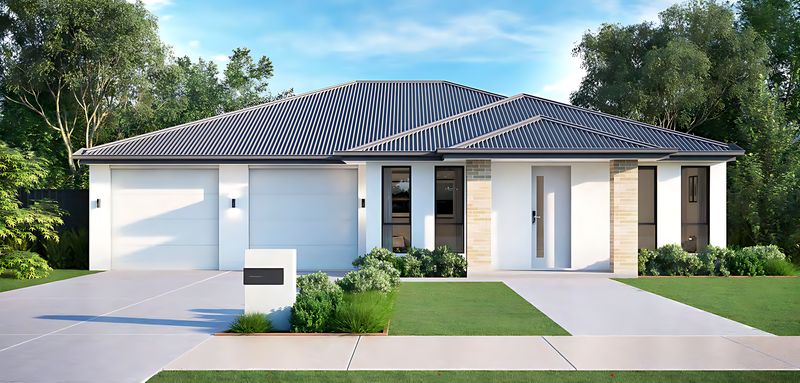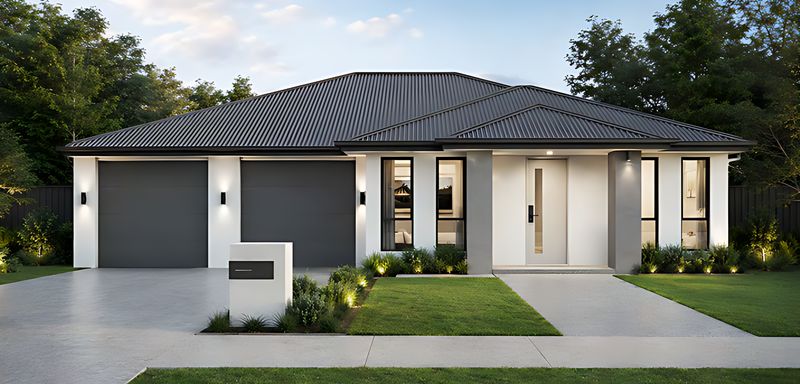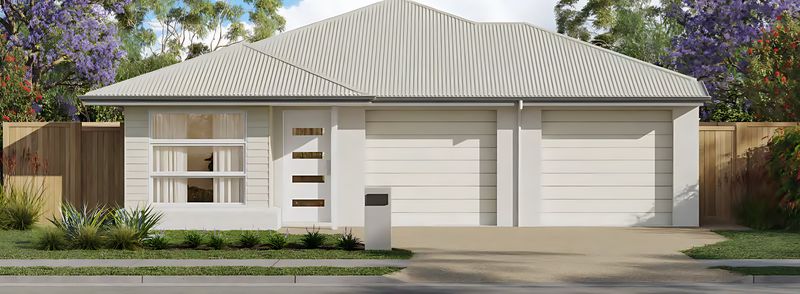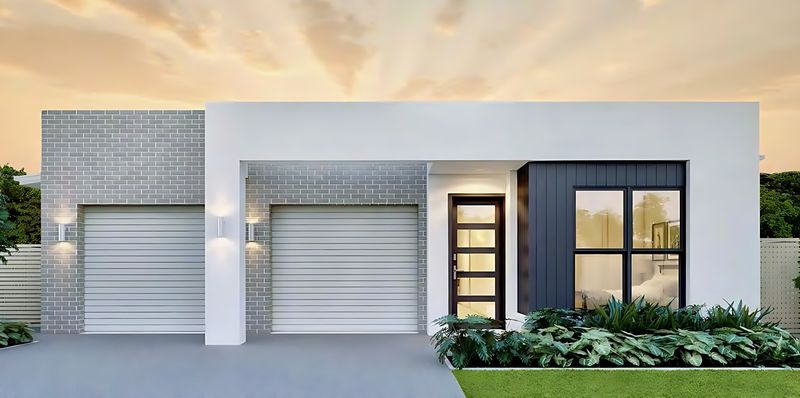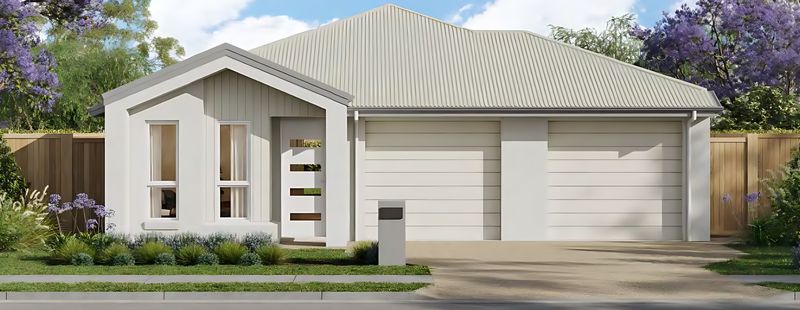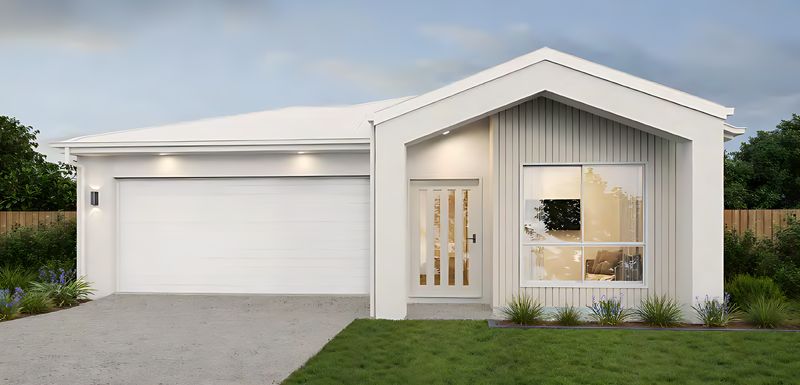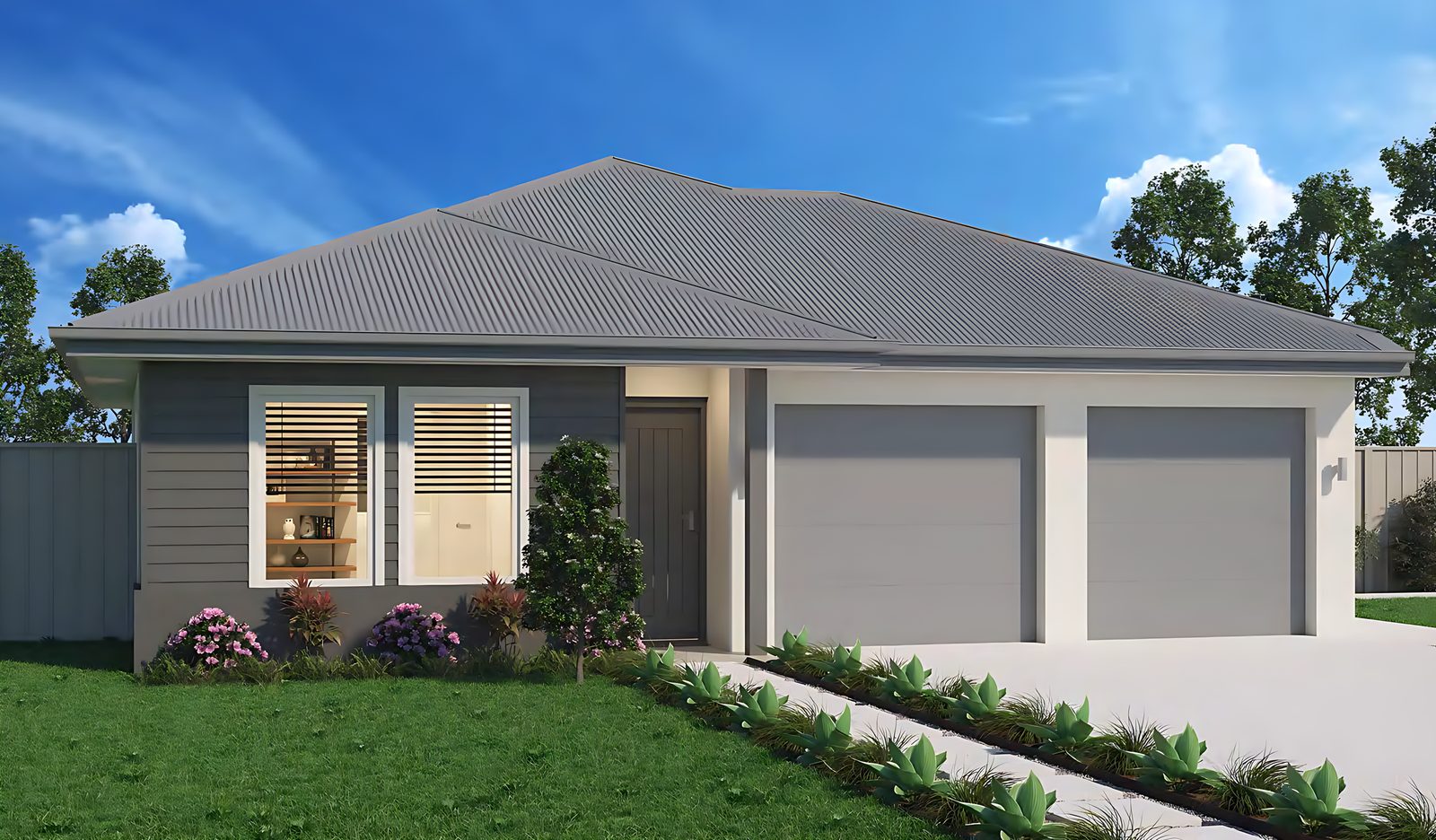
A dual-key home is one property, on one title, built as two self-contained living areas, each with its own front door, kitchen and bathroom. Investors buy them to collect two rents from one property. Some owners live in one side and let the other, or use the second side for family.
They can work well, but they're not the same as a duplex or a granny flat, and the details matter. Here's what to understand before you buy.
Dual-key, duplex or granny flat?
| Type | Titles | Usually |
|---|---|---|
| Dual-key | One | One home split into two self-contained parts, sold as one property |
| Duplex | One or two | Two attached homes. Each side can often be titled and sold separately |
| Granny flat (secondary dwelling) | One | A smaller second dwelling used with, and secondary to, the main home |
The labels used in marketing don't always match the planning terms. Queensland councils assess a second dwelling on a lot as either a secondary dwelling or a dual occupancy (a residential use for two households). Things like separate meters, a separate driveway or a separate street address can push a home into the dual occupancy category. That category often has different rules on lot size and approvals.
Why investors buy dual-key homes
- Two incomes, one purchase. Each side can be let separately, so the total rent can be higher than one larger home would earn.
- One loan, one title, one block. You're buying one property, not two, with one set of purchase costs.
- Less vacancy risk. If one side is empty, the other side may still be earning.
- Flexibility. You can live in one side and let the other, house family, or move into the whole home later.
We list these as "dual income" homes. On our site you can filter for dual-key homes across Queensland.
The trade-offs
- Selling. Because a dual-key is one title, you can't sell one side. The buyer pool is mostly investors and multi-generational families.
- Finance. Lenders assess dual-income homes in different ways, including how much of the rent they'll count and what deposit they want. Talk to a lender or broker before you sign.
- Insurance and management. You'll need landlord insurance that covers two tenancies, and a property manager who handles both leases.
- Running costs. Two kitchens and two bathrooms mean more to maintain over time.
Five checks before you buy
- Council approval. Ask how the home is approved (secondary dwelling or dual occupancy) and confirm both sides can be let to separate tenants. Your solicitor can check this during the cooling-off period.
- Metering. Ask whether electricity and water are metered separately for each side. This affects how you charge tenants for usage.
- Rent appraisal. Get an independent rental appraisal for each side from a local property manager, not just the marketing estimate.
- Finance. Confirm with your lender how they value the home and treat the two rents.
- Depreciation. New dual-key homes can come with significant depreciation deductions. See depreciation on a new investment property.
Where we have dual-key homes
We have dual-key homes across South East Queensland, including Logan Reserve, Greenbank, Park Ridge, Morayfield and Upper Coomera. Each listing shows the bedrooms and bathrooms across both sides, the land size and the expected completion date. Ask us about a specific home and we'll share what we know about its approval and layout.
Common questions
What is a dual-key home?
A single home on one title that's split into two self-contained living areas, each with its own entry, kitchen and bathroom. The two parts can be lived in together or let separately.
Is a dual-key the same as a duplex?
No. A duplex is usually two homes that can be on separate titles and sold separately. A dual-key is normally one property on one title, so it's bought and sold as one.
Do I need council approval to rent both parts of a dual-key?
It depends on the council and the zone. Councils classify a second dwelling as a secondary dwelling or a dual occupancy, and each has different rules. Check the approval for the specific home before you buy.
This article is general information only, current at 30/10/2026. It isn't financial, tax or legal advice. Rules and amounts change, so check the official sources below and speak to a licensed professional about your situation.